
Do we REALLY Need to Own Our Platform?
Last week’s Facebook outage brought the onslaught of common takes we hear when something like that happens. Calls to go outside, read, achieve world peace — you know, the standard responds. But in the WordPress space, there was also the predictable platitudes about how you should own your own platform. But my question for those people, and something to consider: do we really need to own our own platform?
Imagine Living in a Cabin in the Woods
A few years ago, my wife and I went to visit her uncle in Colorado, near Denver. As we drove from the airport to his house, he pointed out a concept I didn’t think actually existed in the USA: unincorporated land1.
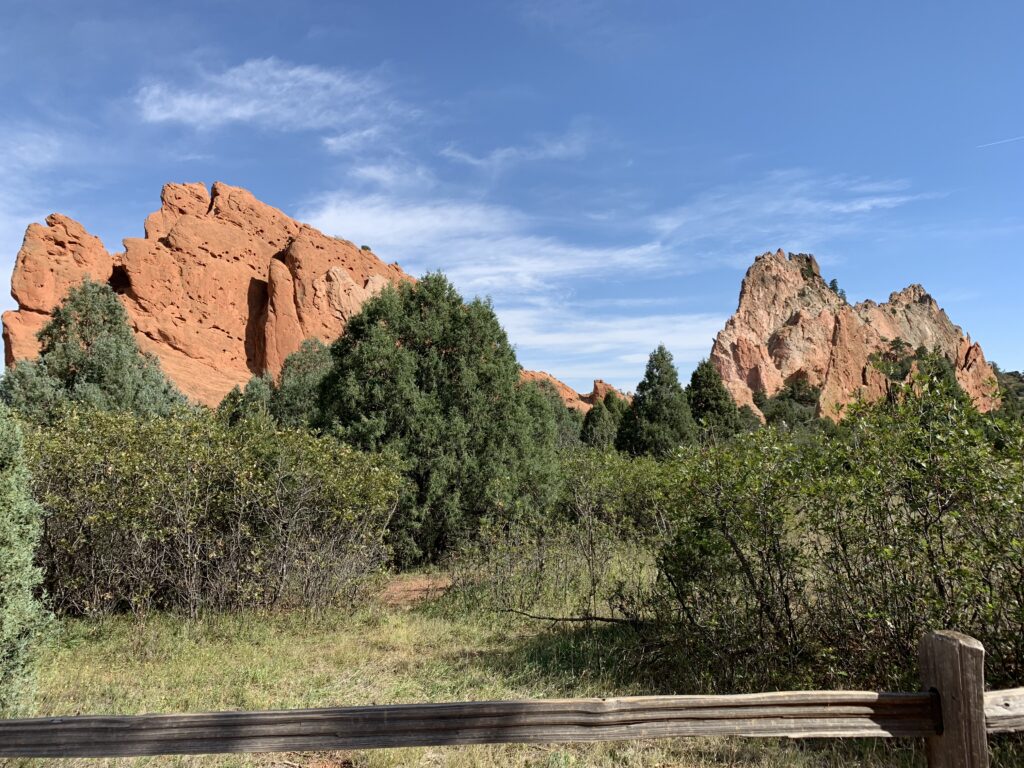
It’s easy for many to think it would be great living completely outside society. Living by your own rules, making it on your own. And I have no doubt some could do it.
But most (myself included) can’t. And if you need schools, running water, roads, and a nearby hospital, you shouldn’t build a house in the middle of nowhere because the power went out in your apartment.
You won’t suddenly be able to completely survive off the grid because of what’s, in most cases, a short lived inconvenience.
Your Business Can’t Survive off the Grid Either
Now imagine you open up a store next to your cabin in the woods. There are no roads to your store, and people need to exert some effort to get there. But what you offer isn’t wholly unique. Most people can get what you offer at the local mall.
See, owning your platform is great, but you need to be where your audience is. The truth is, most won’t follow you to whatever place you want them to be. Or at least, they won’t stay there.
There are places they hang out already – things that are part of their routines and habits. Facebook is one, perhaps Slack is another. Adding a place where they don’t already go, and don’t really have to go, just isn’t going to jive with them.
Plus, There’s the Maintenance.
Earlier this year, I launched a community on Circle, and got a lot of questions as to why I didn’t roll my own2. Now, with enough time, I could have gotten bbPress or some other WordPress tools where I wanted it. I have that skill.
And that’s the problem with a lot of people flying the “own your own platform” flag: they have the skill. There are a lot of tech people in the WordPress community3. But in the wider business community, many aren’t tech savvy. They know it enough to get by. And the truth is:
- Not everyone can build their own platform.
- Those who do might not have the time to build and support one.
- Not everyone has the money to have one developed.
And like I said earlier, if most of your audience is already on Facebook, or YouTube, or Twitch, there’s no reason to think they will follow you wherever you want them to. That means your own platform is a waste of time and money.
Not to mention, owning your own platform won’t save you from these outages. It just means when they happen, you have to get them fixed instead of dunking on Facebook, on Twitter.
And Facebook going down is proof: They own every aspect of their presence, from servers to email. And one issue took literally everything down.
What do we Take Away from #FacebookDown?
The lesson to take away from #FacebookDown isn’t to rebuild your business somewhere else. Don’t build a cabin off the grid because your power went out for a few hours.
Don’t make your audience follow you into the great unknown. Go to where your audience is.
But you should also make sure you can reach your audience if/when that platform goes down (or disappears). Stay on Facebook, and build your email list. Because even if your ESP disappears, or gets bought by a company you hate, a CSV of email addresses is something you can take anywhere.
